
As the automotive industry continues to prioritize sustainability, the process of recycling end-of-life vehicles presents a complex set of challenges. From regulatory compliance to effective material identification and separation proton Malaysia, the sector faces a nuanced landscape of considerations.
In this article, we delve into the key obstacles that the automobile recycling industry encounters, highlighting the importance of addressing issues such as hazardous waste management and embracing technological advancements to ensure a greener future for the sector.

Regulatory Compliance
Ensuring regulatory compliance is a critical aspect of managing automobile recycling operations effectively. Compliance with environmental, health, and safety regulations is essential to minimize risks, avoid fines proton dealer, and maintain a positive reputation within the industry.
Automobile recyclers must adhere to laws governing the proper disposal of hazardous materials, such as fluids, batteries, and airbags, to protect both the environment and public health. Additionally, compliance with labor regulations ensures the safety and fair treatment of employees involved in the recycling process.
Material Identification and Separation
Compliance with material identification and separation guidelines is crucial for automobile recyclers to effectively manage their operations and meet regulatory requirements. Proper identification and separation of materials in end-of-life vehicles enable recyclers to maximize the recovery of valuable resources while minimizing waste.
Advanced technologies such as automated sorting systems and spectroscopy tools are aiding in the accurate identification and sorting of various materials like metals, plastics, glass, and rubber. Implementing efficient material separation processes not only enhances the overall recycling efficiency but also contributes to environmental sustainability by reducing the need for raw material extraction.
Therefore, investing in robust material identification and separation practices is essential for the success and sustainability of automobile recycling operations.
End-of-Life Vehicle Collection
How effectively can end-of-life vehicles be collected to ensure optimal resource recovery and environmental sustainability in automobile recycling operations?
End-of-life vehicle collection is a critical stage in the recycling process, impacting the efficiency of resource recovery and environmental impact. To enhance collection effectiveness, collaboration among stakeholders is essential.
Establishing convenient collection points, incentivizing consumers for returning vehicles, and implementing clear disposal regulations are crucial steps. Utilizing advanced tracking systems can help monitor the flow of end-of-life vehicles, ensuring proper handling and dismantling. Moreover, raising awareness about the environmental benefits of recycling and promoting responsible disposal practices are key in enhancing end-of-life vehicle collection rates.
Hazardous Waste Management
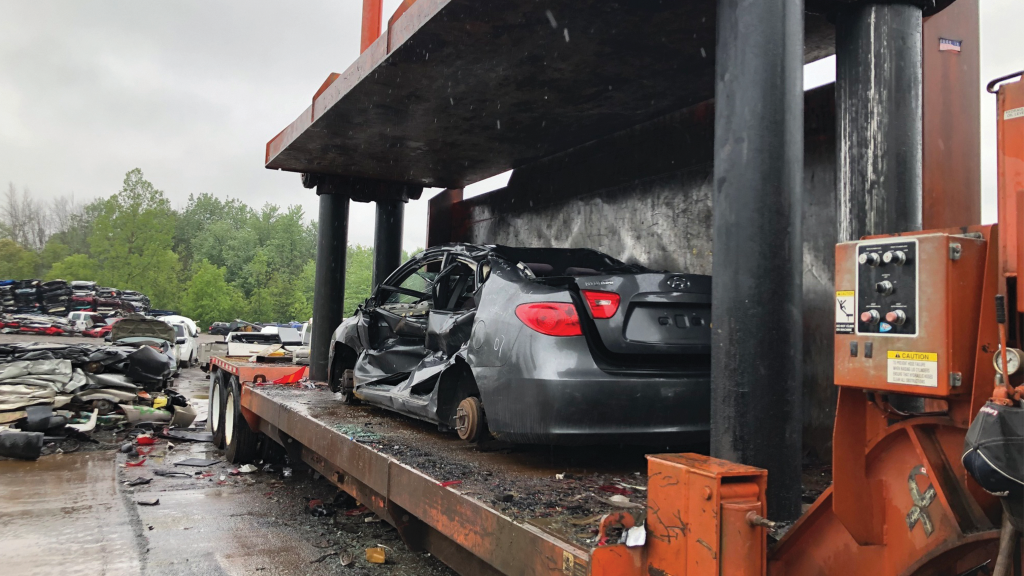
Effective hazardous waste management is imperative in automobile recycling operations to mitigate environmental risks and ensure compliance with regulatory standards. The dismantling of end-of-life vehicles generates various hazardous materials such as batteries, fluids, airbags, and mercury switches. Proper handling, storage, and disposal of these substances are essential to prevent soil and water contamination, air pollution, and potential health hazards to workers and nearby communities.
Recycling facilities must implement strict protocols for segregating, storing, and transporting hazardous waste to licensed treatment facilities. Regular training for employees on safety procedures and the use of personal protective equipment is crucial to minimize exposure and prevent accidents. By prioritizing hazardous waste management, automobile recycling can be conducted in an environmentally sustainable and responsible manner.
Technological Advancements
In the realm of automobile recycling, advancements in technology play a pivotal role in enhancing operational efficiency and sustainability. Cutting-edge technologies such as automated dismantling systems, robotic sorting processes, and advanced material separation techniques have revolutionized the recycling industry. These innovations streamline the dismantling and sorting of vehicles, improving the recovery of valuable materials while reducing waste.
Additionally, the development of sophisticated software solutions enables better tracking of recycled components, ensuring proper disposal of hazardous materials and maximizing the reuse of salvageable parts. Embracing these technological advancements not only boosts the overall efficiency of automobile recycling operations but also contributes significantly to environmental conservation efforts.
As technology continues to evolve, the future of automobile recycling looks increasingly promising.
Conclusion
In conclusion, the challenges faced in automobile recycling include:
- Regulatory compliance
- Material identification and separation
- End-of-life vehicle collection
- Hazardous waste management
- Technological advancements
These factors play a crucial role in the efficient and sustainable recycling of automobiles.
It is essential for stakeholders in the automotive industry to address these challenges to ensure the proper disposal and recycling of end-of-life vehicles while minimizing environmental impact and maximizing resource recovery.
… Read More